

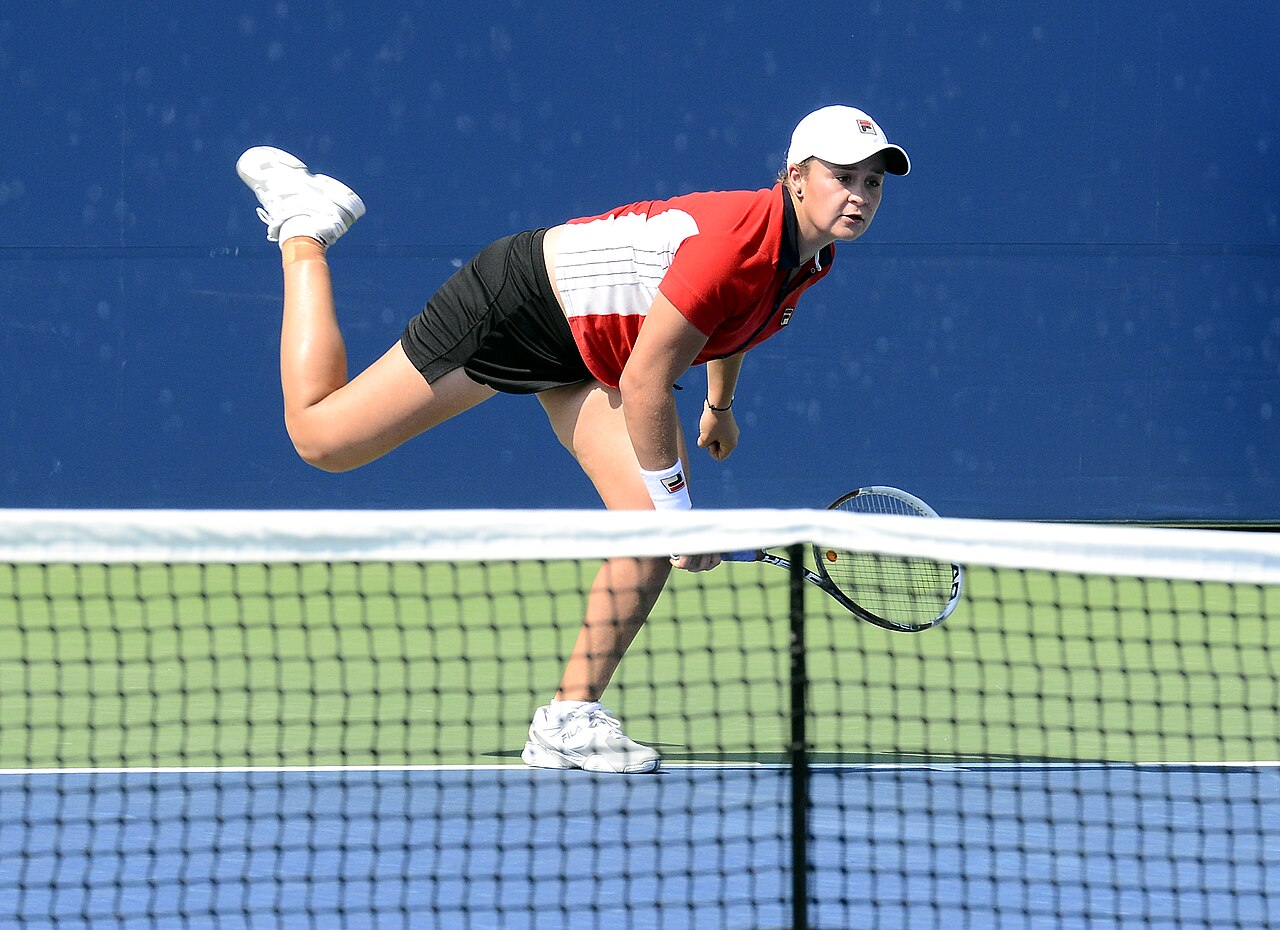
Every tennis season introduces a name the wider world suddenly starts searching for, and this week that name is Talia Gibson. The young Australian has been trending on the back of eye-catching performances, adding her name to the list of prospects expected to lead the next wave of Australian tennis. Our sports desk profiles the player behind the search surge — where she came from, how she plays, and what the next twelve months could hold.
From Perth courts to the professional tour
Gibson emerged from Western Australia’s strong junior system, a pathway that has produced a steady line of tour professionals. Tall, athletic and comfortable on hard courts, she built her ranking the traditional way: grinding through ITF events, collecting titles at the lower levels, and converting wildcards at home tournaments into the kind of wins that make selectors look twice. Australia’s summer swing — the United Cup, the Brisbane and Adelaide events, and the Australian Open — has been her proving ground, offering main-draw opportunities against top-100 opposition that accelerate a young player’s education faster than any practice block.
A game built on first-strike tennis
Analysts who have watched Gibson describe an aggressive, first-strike game: a serve that earns free points, a forehand she is willing to hit from anywhere, and a preference for taking the ball early rather than retreating into defence. It is the modern template — the same one that carried a generation of champions — but it demands decision-making under pressure, the skill that separates promising hitters from tour regulars. Her development has focused on the return game and on point construction against elite movers, the areas where young power players are usually exposed. Profiles and results across her season are tracked by the WTA Tour, where her ranking trajectory tells the story of a player moving in one direction.
Why she is trending now
Search interest in tennis players spikes for one of three reasons: an upset, a title run, or a moment that travels beyond the sport. Gibson’s trend appears to be the healthy kind — results-driven, built on wins against established names and deep runs that put her on televised courts in front of new audiences. Social media accelerates the rest: highlight clips of her ball-stiking circulate, home crowds adopt her, and suddenly a player ranked outside the spotlight is a name casual fans recognise. For Australian tennis, deep in a generational transition, every such emergence matters.
The road ahead
The next phase is the hardest in tennis: defending points, surviving the weekly tour grind, and handling opponents who now scout her seriously. Smart scheduling — mixing tour events with strong challenger fields — will shape her year, along with the physical resilience to handle five matches in a week. Coaches consistently say the jump from ‘dangerous floater’ to seeded regular is made in the gym and the calendar as much as on court. Fans following her progress can track draws and rankings through Tennis.com and the tour’s official channels.
What success would look like
For a player at Gibson’s stage, success this season is concrete: a stable top-100 ranking, direct entry into Grand Slam main draws, and a first tour-level final. Each would validate the trajectory and bring the funding, scheduling freedom and confidence that compound quickly in this sport. The history of Australian tennis — from Court and Goolagong to Barty — sets a high bar, but it also provides a map.
The bottom line
Talia Gibson is trending because she is winning the right matches at the right time, with a game built for the modern tour. The breakthrough is rarely the hard part in tennis — staying is. But on current evidence, she has the weapons and the temperament to make this trend the beginning of a long residency rather than a week’s curiosity.
