

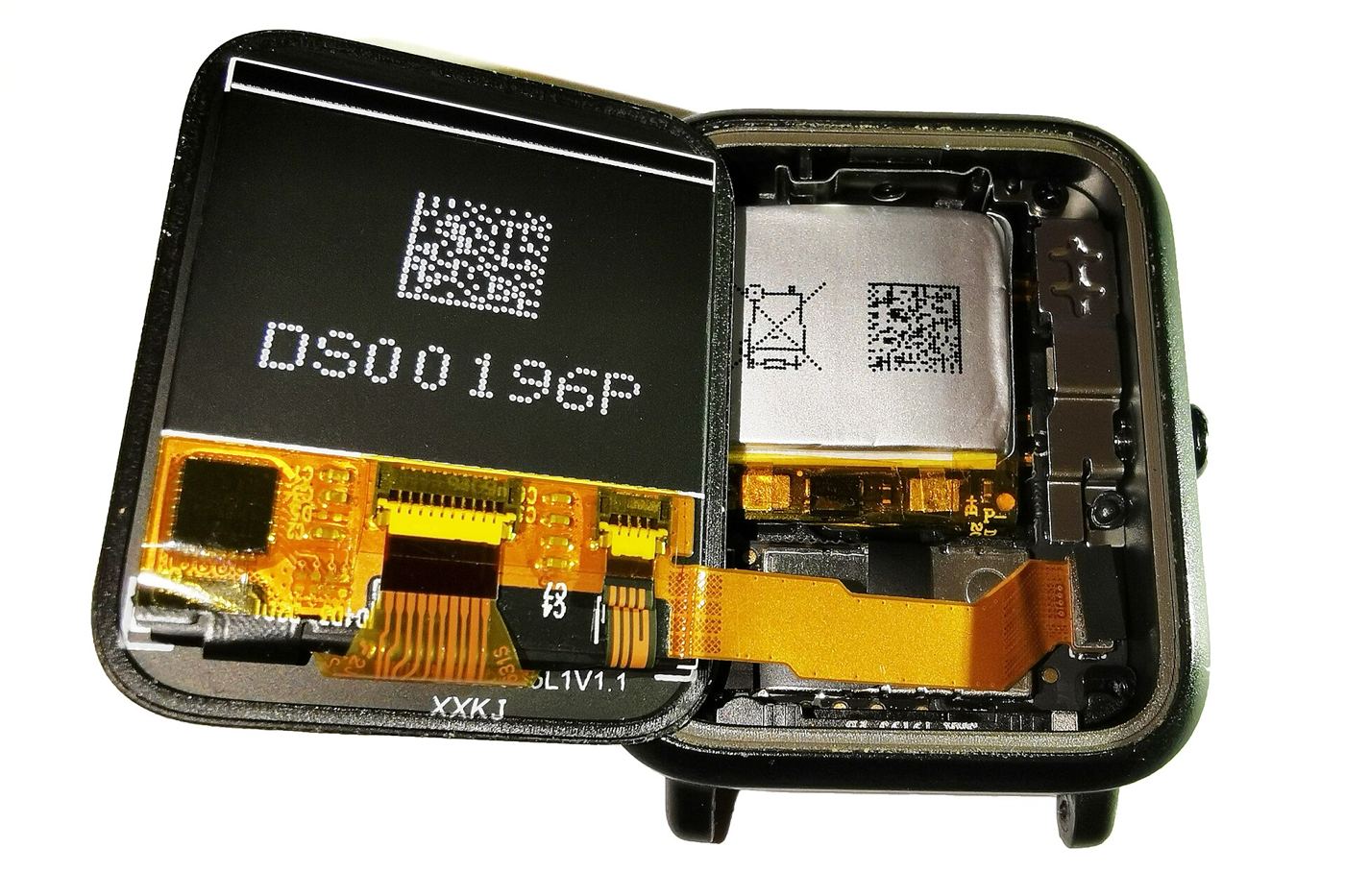
Wearable Health Tech Moves From Steps to Early Warnings is becoming one of the most closely watched stories in its field, as sensors that track heart rhythm, sleep and blood oxygen are entering routine care. Specialists say the shift matters because it affects everyday decisions, not just specialists, and the evidence now arriving is stronger than the early claims that first drew attention to wearable health technology.
For readers following developments, the practical question is what changes next. Analysts who track wearable health technology point to better data, clearer standards and growing public interest as the forces pushing the subject from discussion into action. Reporting by the World Health Organization has also highlighted how quickly the field is moving internationally.
Why Wearable Health Technology Matters Now
The timing is significant. Costs, technology and public expectations have all shifted at the same time, creating a window in which new approaches can be tested at scale. In the case of wearable health technology, early adopters are already reporting measurable results, while critics rightly ask whether those results will hold when methods are used by a wider and more diverse population.
That debate is healthy. Good evidence takes time, and the strongest programmes in wearable health technology are those that publish their methods, invite independent checks and adjust when the data disagrees with their hopes. Our health coverage follows those checks closely, because a headline result and a durable result are not always the same thing.
What the Evidence Shows
Recent studies and field reports suggest three consistent findings. First, preparation matters more than slogans: people and organisations that plan for wearable health technology do markedly better than those that improvise. Second, small, repeated actions compound over time. Third, transparency builds trust, and trust determines whether a promising idea survives contact with the real world.
Experts also warn against reading too much into a single announcement. A pilot, a trial or a single season of data can point in the right direction without settling the question. That is why researchers working on wearable health technology increasingly share data across borders and disciplines, comparing results instead of defending territory.
What Happens Next
Over the coming months, the focus will turn to implementation: funding, training, regulation and honest public communication. For individuals, the sensible response is to stay informed, use reputable sources and treat confident predictions with caution. For organisations, the lesson from wearable health technology is to invest early in skills and measurement, rather than waiting for certainty that rarely arrives.
Whatever the next headline brings, wearable health technology has already changed the conversation. It has shown how quickly a specialist subject can become a mainstream concern, and how much better the outcomes are when evidence, rather than noise, leads the way. We will continue to track the story as new data, new voices and new results emerge.
Further reporting will follow as officials, researchers and practitioners publish updated figures and respond to the latest findings in detail.
Further reporting will follow as officials, researchers and practitioners publish updated figures and respond to the latest findings in detail.
Further reporting will follow as officials, researchers and practitioners publish updated figures and respond to the latest findings in detail.
