

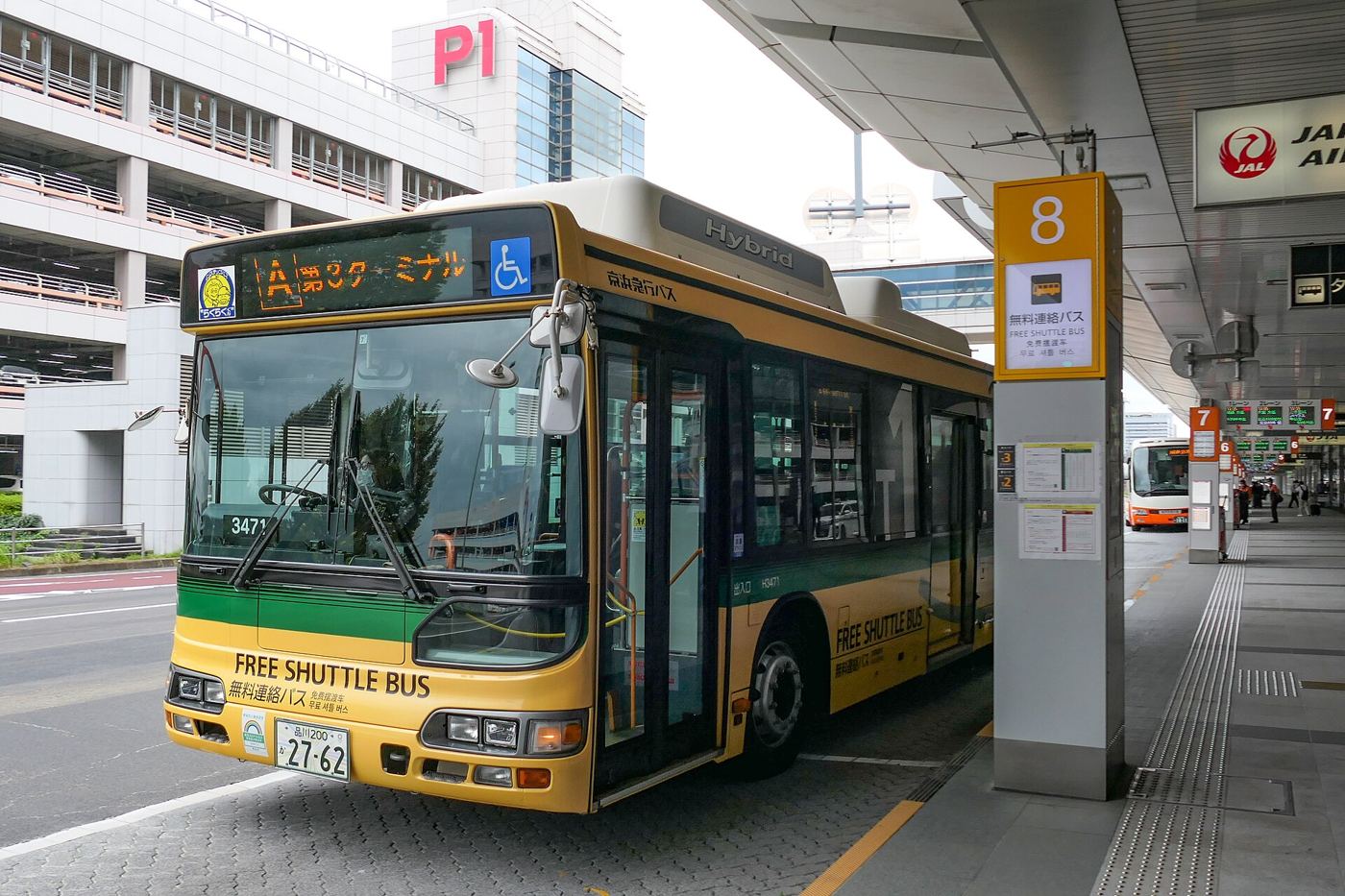
Travellers arriving at the main terminal are meeting a quieter welcome this month, as electric shuttle buses begin service on the routes linking the terminal with car parks, hotels and the rail station. Airport managers say the new vehicles were chosen for their smooth ride, level floors and generous luggage space, all of which matter on short hops made with heavy bags and tired passengers. Drivers have completed training on the new buses, and charging points have been installed at the depot so vehicles can top up between peaks. For passengers, the most noticeable changes are likely to be less noise at the kerb and a calmer ride between stops. The first vehicles entered service this week after route testing, and airport signs, apps and announcements have been updated to point passengers towards the new fleet.
What the Evidence Shows
Shuttle services are easy to overlook, yet they shape a traveller’s first and last impression of a whole journey. A missed connection or a long wait at a rainy kerb can colour an otherwise smooth trip, which is why operators watch frequency and reliability on these routes so closely. Airport staff say information screens inside the terminal now show live shuttle departures alongside flight information, helping passengers judge how much time they really have. The electric buses will be introduced in stages, with older vehicles kept available during busy periods until the fleet is fully established. Passengers with mobility needs will continue to find step free access and priority seating on every departure from the terminal. Journey planners say the change also supports the airport’s wider efforts to cut emissions from ground operations. Reporting and analysis from sources such as Associated Press track the same developments, and specialists following electric airport shuttle buses say the direction is now consistent across independent lines of evidence.
The Wider Context
Regional and local reporting on electric airport shuttle buses often tells a different story from national coverage, because the effects land unevenly: one town’s pilot is another’s distant proposal. Analysts who follow the subject full-time read the local data first, arguing that national averages conceal the variation that decides whether a policy or a project deserves to spread.
What Happens Next
The longer story of electric airport shuttle buses is still being written by the people closest to it, whose experience rarely matches the earliest predictions of either supporters or critics. Reporting will continue to follow the evidence as it accumulates, including where it complicates today’s account. That is the deal serious coverage makes with its readers, and it holds for this subject as for any other. You can follow related developments in our coverage of news.
It is also worth remembering how quickly the picture in this area has changed before. Positions that looked settled a few years ago have been revised as new data arrived, and the same humility is appropriate now. The strongest coverage of this subject, and the most useful advice, tends to come from sources that update their views openly when the facts move, rather than defending an earlier position long after it has stopped fitting the evidence available.
