

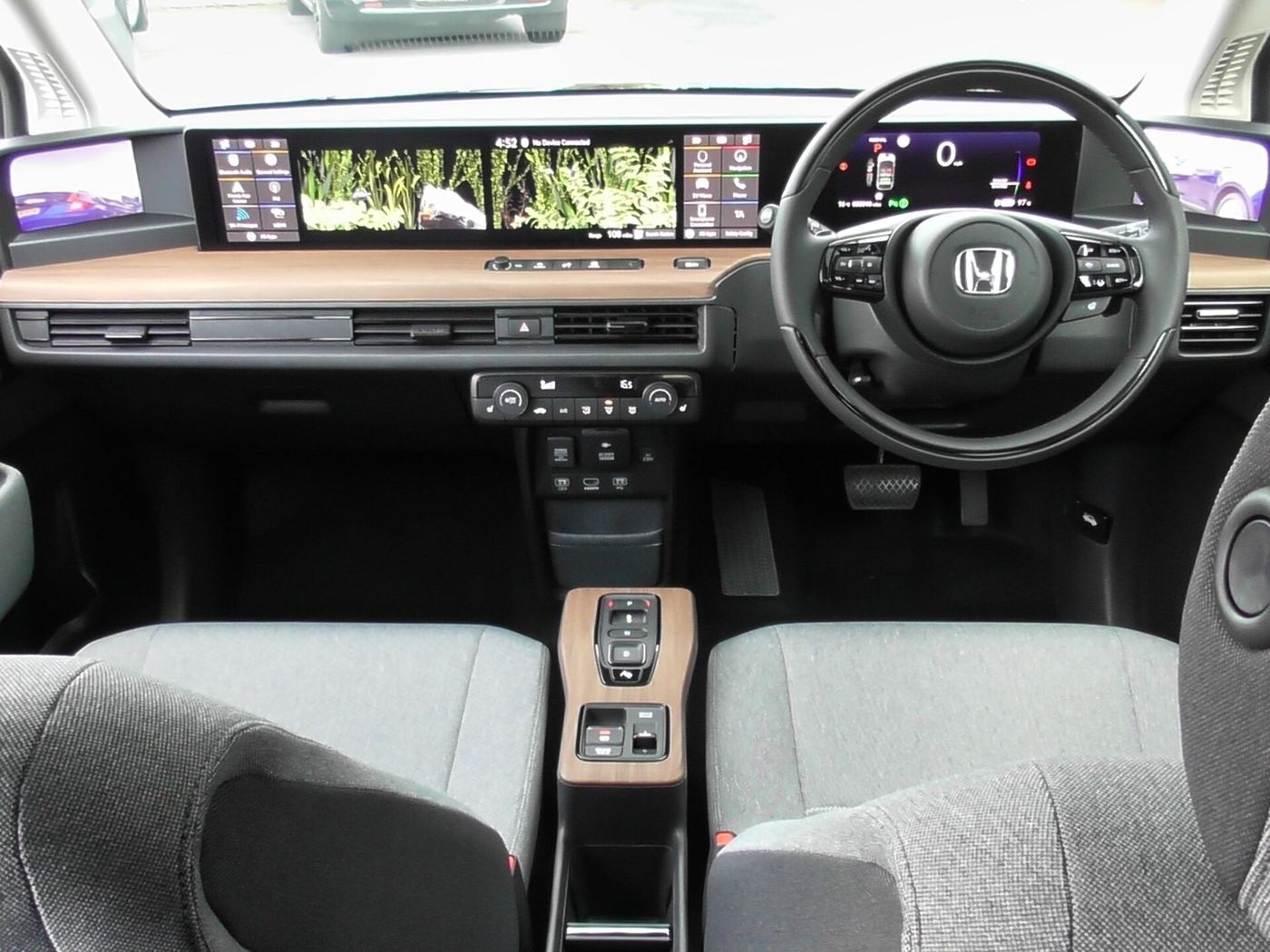
The dashboard of a modern electric car looks very different from the one drivers grew up with. Rows of buttons and dials have given way to a large touchscreen that controls heating, navigation, music and even the door mirrors. Carmakers say the change saves space and cost, and lets them update the car’s features with software long after it leaves the showroom. A new function can arrive overnight, much like an update on a phone. For many drivers, the large screen is now the first thing they notice when sitting in a new car. Drivers get used to the screen quickly for simple tasks, and many appreciate having maps, charging information and entertainment in one place. The design also suits electric cars, which have fewer mechanical controls to begin with and more computing power to spare. For manufacturers, the touchscreen is part of a wider shift toward cars that are defined as much by their software as by their engines.
What the Evidence Shows
The move to touchscreens has drawn criticism as well, and regulators are beginning to pay attention. Safety researchers point out that tapping through menus takes a driver’s eyes off the road for longer than pressing a physical button that can be found by touch. Some studies have found that common tasks, such as changing the temperature, take several times longer on a screen than with a dial. Carmakers are responding by bringing back physical controls for key functions and improving voice control so drivers can keep their hands on the wheel. European safety bodies have begun rating cars partly on how easy their controls are to use without looking. Designers say the ideal is a balance: screens for information and navigation, real buttons for urgent functions. For buyers, the advice is to test the controls on a test drive, because a beautiful screen is of little use if it distracts from the road. Reporting and analysis from sources such as Wired track the same developments, and specialists following the touchscreen car dashboards say the direction is now consistent across independent lines of evidence.
The Wider Context
The wider context is an industry learning to ship capability and restraint together. Products built around the touchscreen car dashboards now launch with safety evaluations, usage data and rollback plans as standard, because enterprise buyers and regulators ask for them in the first meeting. Companies that treated those questions as friction are discovering they have become the purchase criteria.
What Happens Next
What happens next for the touchscreen car dashboards depends less on another breakthrough than on the unglamorous work of reliability, pricing and support. The buyers evaluating it now are not enthusiasts; they are operators with budgets and auditors, and their checklists will decide the timeline. On the evidence of the current pilots, the technology has earned the right to be judged by them. You can follow related developments in our coverage of technology.
None of this will be settled by a single announcement, study or product launch. The pattern to watch is accumulation: independent confirmations, honest reporting of failures and steady improvement in the underlying numbers. Readers who follow those signals, rather than the loudest claim of the week, will understand this subject better than most of the commentary surrounding it suggests is possible.
