

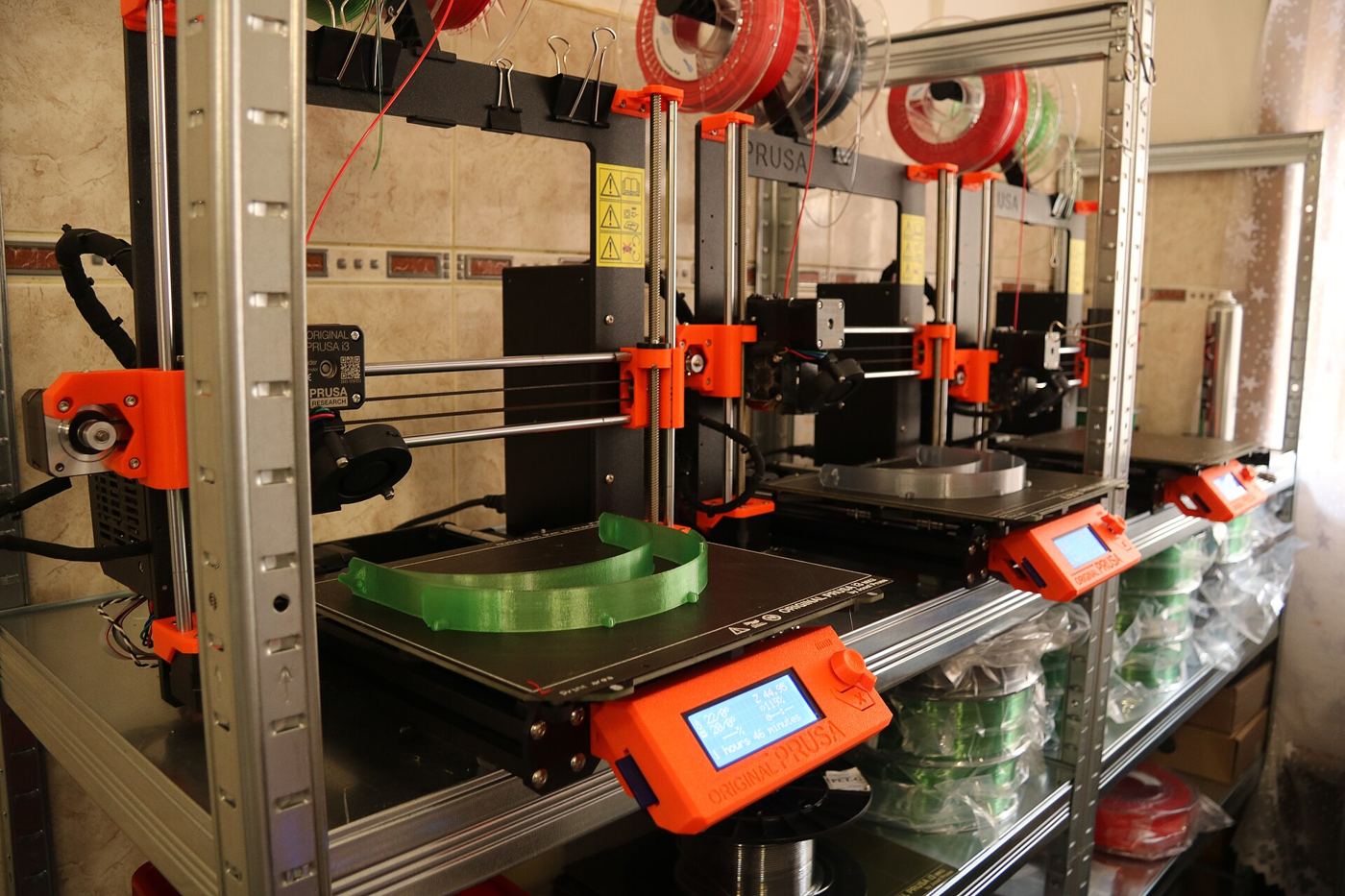
A 3D printer begins with nothing more than a digital file and a spool of plastic filament, yet it can produce a working object within a few hours. The machine heats the filament until it softens, then deposits it in thin layers, building the shape from the bottom up according to the design. What emerges can be anything from a replacement knob for a cooker to a custom prosthetic limb, a model of a building or a part for a machine that is no longer made. The technology has moved far beyond hobby workshops. Engineers use it to prototype new products quickly, testing a design in the morning and holding the revised version by the afternoon. Dentists print crowns and aligners, architects print scale models and factories print jigs and tools tailored to a single production line. The freedom to make one-off objects cheaply has changed how things are designed.
What the Evidence Shows
The range of materials keeps growing. Beyond common plastics, printers now work with flexible rubbers, tough engineering polymers, metals and even ceramics, each opening new uses. Metal printers can produce lightweight brackets for aircraft and intricate parts that would be difficult to machine, while large printers can lay down concrete to form walls and small structures. The machines themselves have become faster, more reliable and easier to use, with automatic calibration and sensors that pause a print if something goes wrong. There are limits: printed parts may need finishing, the layer lines can be visible and printing a large object takes time. Even so, the ability to turn an idea into a physical object without a factory has put manufacturing power into the hands of designers, schools and small businesses. Reporting and analysis from sources such as Wired track the same developments, and specialists following the 3D printers turning digital designs into solid objects say the direction is now consistent across independent lines of evidence.
The Wider Context
The wider context is an industry learning to ship capability and restraint together. Products built around the 3D printers turning digital designs into solid objects now launch with safety evaluations, usage data and rollback plans as standard, because enterprise buyers and regulators ask for them in the first meeting. Companies that treated those questions as friction are discovering they have become the purchase criteria.
What Happens Next
What happens next for the 3D printers turning digital designs into solid objects depends less on another breakthrough than on the unglamorous work of reliability, pricing and support. The buyers evaluating it now are not enthusiasts; they are operators with budgets and auditors, and their checklists will decide the timeline. On the evidence of the current pilots, the technology has earned the right to be judged by them. You can follow related developments in our coverage of technology.
None of this will be settled by a single announcement, study or product launch. The pattern to watch is accumulation: independent confirmations, honest reporting of failures and steady improvement in the underlying numbers. Readers who follow those signals, rather than the loudest claim of the week, will understand this subject better than most of the commentary surrounding it suggests is possible.
