

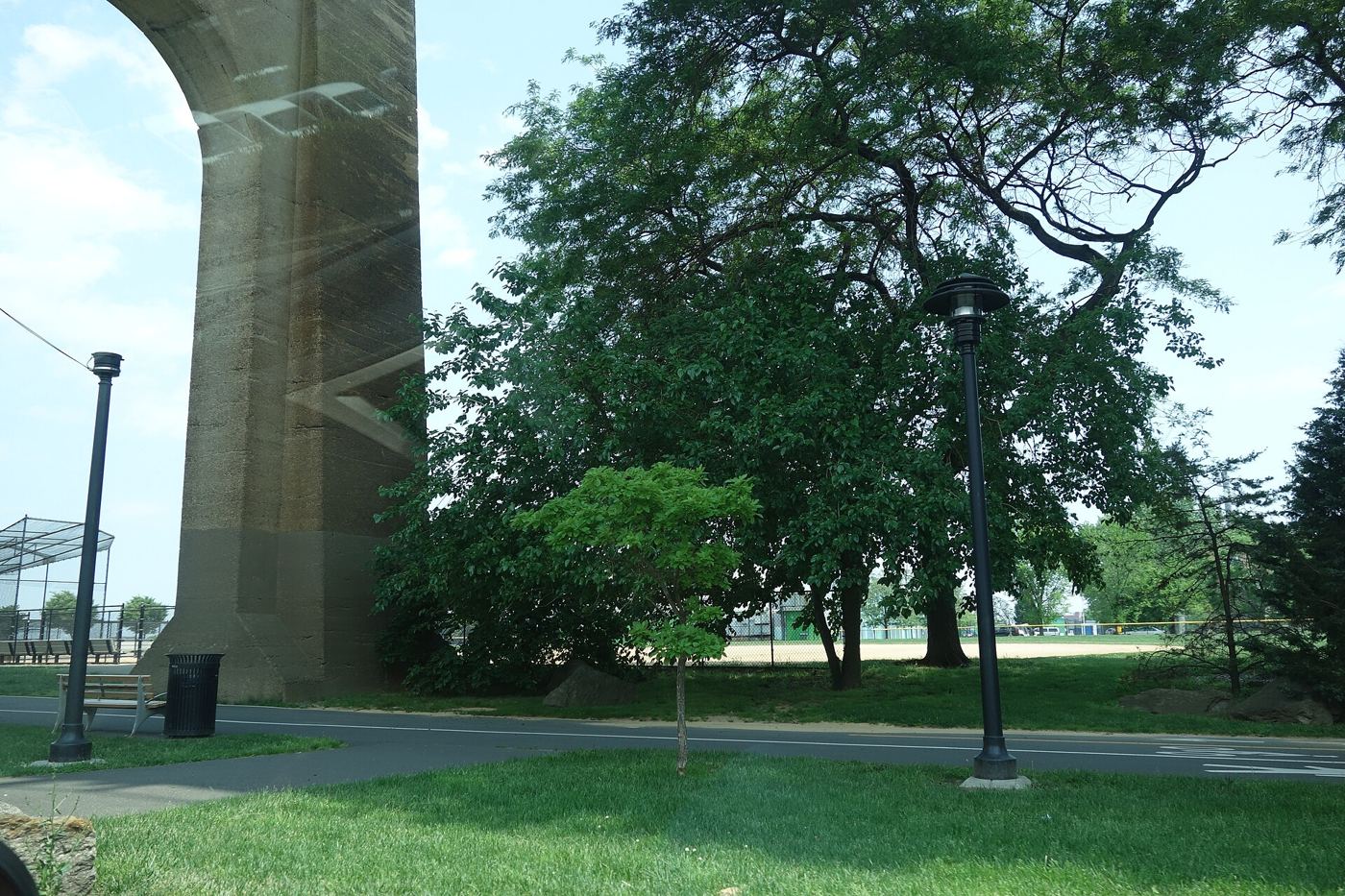
Park maintenance crews are moving through the city’s busiest green spaces this month, repairing cracked and uneven pathways before winter weather makes the damage worse. The work focuses on routes used by parents with pushchairs, wheelchair users and older walkers, where lifted paving slabs and muddy edges can turn a simple stroll into a difficult trip. Sections of path are being closed one at a time so the rest of each park stays open, with temporary surfaces laid where a detour would be too long. Rangers say the repairs also tackle poor drainage, because standing water after rain is what breaks many surfaces apart in the first place. Visitors have broadly welcomed the programme, although some say closures should be better signposted at park entrances. The council describes the scheme as basic upkeep rather than a redesign, arguing that safe, level paths are what keep parks welcoming for everyday use in every season.
What the Evidence Shows
Specialists following park path repair programme say sequencing matters, because fixing drainage before resurfacing prevents the same cracks returning within a year or two. Crews are reusing sound stone and gravel where possible, which lowers costs and keeps the character of older paths intact. Accessibility groups have asked for resting points and handrails on steeper sections to be checked during the same visits. Park managers say the final phase will include clearer maps showing which routes are fully step free. If the schedule holds, most repairs should be finished before the busiest festive walks begin. Contractors have been asked to keep noise and dust down near homes that back onto the parks, and to finish each section fully before moving on rather than leaving several half repaired at once. Dog walkers and running clubs have been given advance notice of closures through park noticeboards and social media, so regular routines can adjust without wasted journeys on the day. Reporting and analysis from sources such as Associated Press track the same developments, and specialists following park path repair programme say the direction is now consistent across independent lines of evidence.
The Wider Context
Regional and local reporting on park path repair programme often tells a different story from national coverage, because the effects land unevenly: one town’s pilot is another’s distant proposal. Analysts who follow the subject full-time read the local data first, arguing that national averages conceal the variation that decides whether a policy or a project deserves to spread.
What Happens Next
The longer story of park path repair programme is still being written by the people closest to it, whose experience rarely matches the earliest predictions of either supporters or critics. Reporting will continue to follow the evidence as it accumulates, including where it complicates today’s account. That is the deal serious coverage makes with its readers, and it holds for this subject as for any other. You can follow related developments in our coverage of news.
It is also worth remembering how quickly the picture in this area has changed before. Positions that looked settled a few years ago have been revised as new data arrived, and the same humility is appropriate now. The strongest coverage of this subject, and the most useful advice, tends to come from sources that update their views openly when the facts move, rather than defending an earlier position long after it has stopped fitting the evidence available.
